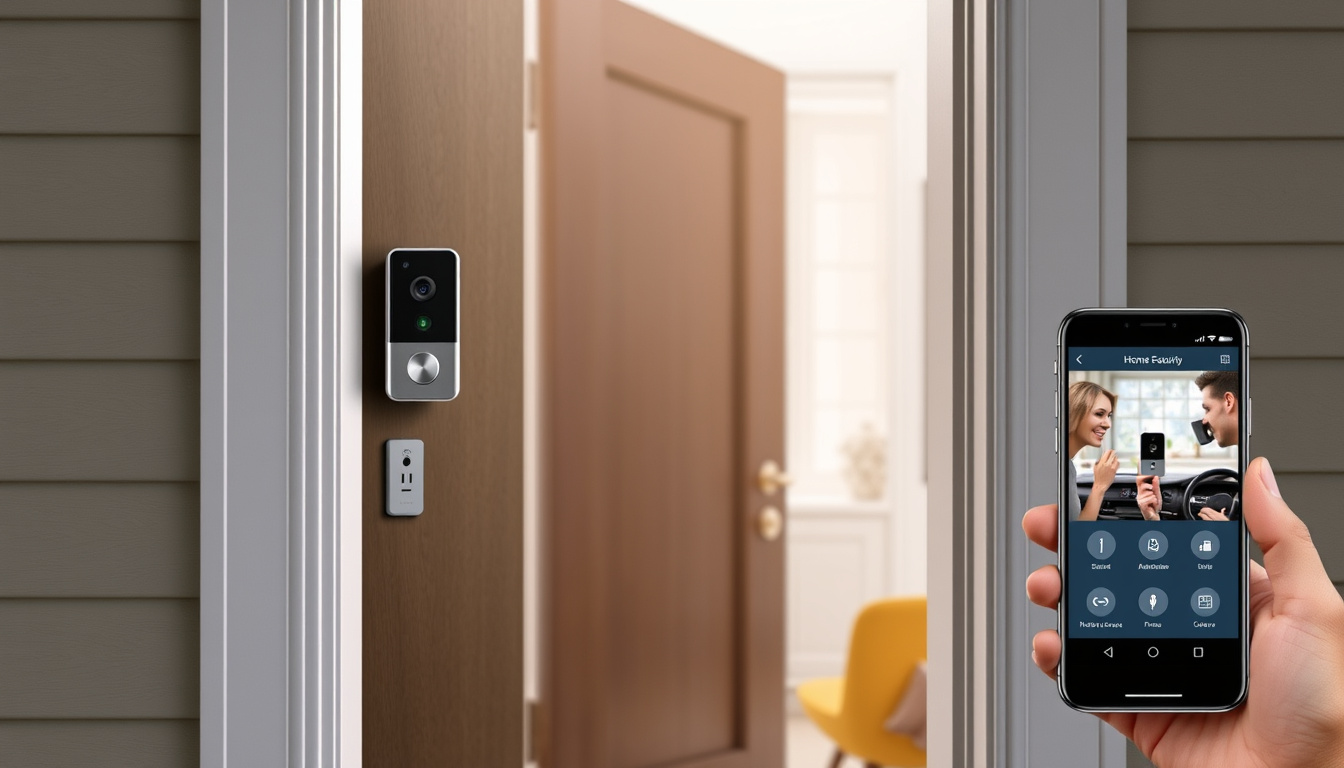
Eufy Doorbell Camera: Complete Guide to Features, Setup & Reviews
The Eufy doorbell camera has emerged as a serious contender in the smart home security market, offering a combination of dual-lens technology, local storage capabilities, and no mandatory subscription fees that sets it apart from many competitors. For homeowners seeking reliable front-door monitoring without ongoing costs, these devices have generated considerable attention.
Anker’s Eufy brand has positioned its video doorbells as privacy-focused alternatives to cloud-dependent rivals, emphasizing data retention control and upfront pricing over recurring charges. The flagship Dual Video Doorbell models, particularly the S330 and E340, showcase the company’s commitment to high-resolution surveillance with 2K dual-camera configurations designed to eliminate the blind spots that plague single-lens competitors.
This guide examines the key features, installation considerations, real-world performance, and how Eufy’s offerings compare against established players like Ring. Whether evaluating battery life expectations, smart home integration, or the practical realities of subscription-free storage, prospective buyers will find detailed analysis based on verified sources and hands-on assessments.
Does the Eufy Doorbell Camera Require a Subscription?
One of the most frequently cited advantages of Eufy doorbell cameras is the absence of mandatory subscription fees. Users can access local storage without paying monthly charges, making these devices particularly attractive for budget-conscious homeowners who prefer one-time purchases over ongoing payments. The manufacturer does offer optional cloud storage at approximately $3 per month for 30 days of footage retention, but this remains entirely discretionary.
Local Storage Options
Storage flexibility represents a core strength of the Eufy ecosystem. The Dual Video Doorbell supports on-device microSD cards up to 128GB, allowing substantial footage retention without cloud dependencies. For users managing multiple cameras or seeking expanded capacity, pairing with the HomeBase S380 enables storage up to 16TB—a feature that distinguishes Eufy from competitors requiring cloud subscriptions for comparable retention periods.
The HomeBase S380 accessory not only expands storage capacity significantly but also enhances AI processing capabilities for users with multiple Eufy devices, providing centralized management and improved detection accuracy across the smart home network.
Key Features at a Glance
- 2K dual-camera system with 160-degree front and 97-degree downward FOV
- Color night vision combining dynamic lights and infrared technology
- AI-powered detection for faces, packages, persons, and loitering
- Delivery Guard with auto-alerts and prerecorded voice warnings
- IP65 weatherproof rating for outdoor durability
- Optional local or affordable cloud storage
Technical Specifications
| Specification | Details |
|---|---|
| Resolution | 2K (2560×1920) top camera + 1080p/1600×1200 bottom camera |
| Field of View | 160-degree front-facing, 97-degree downward-facing |
| Night Vision | Color + IR with auto light activation, HDR support |
| Power Options | Battery (rechargeable) or hardwired (8-24V transformers) |
| Storage | Local microSD (up to 128GB) or HomeBase (up to 16TB) |
| Smart Integration | Alexa and Google Assistant, 2-way audio, no HomeKit |
| Price Range | ~$260-300 (Dual model), add-on units ~$125 |
How Do You Install the Eufy Doorbell Camera?
Installation flexibility ranks among the Eufy doorbell camera’s practical advantages. The devices accommodate both wireless battery operation and traditional hardwired installation, enabling homeowners to select the approach that best matches their existing setup and preferences. This dual-mode design simplifies the upgrade path for properties with or without pre-existing doorbell wiring.
Wireless Installation
The wireless option proves ideal for renters or those preferring a tool-free setup. Users mount the device at the recommended 4-5 foot height using the included plastic bracket, connect to 2.4GHz Wi-Fi networks, pair through the Eufy application, and adjust camera angles for optimal coverage. This approach requires periodic recharging as battery consumption depends on traffic volume, environmental temperatures, and configured sensitivity settings.
Wired Installation
Hardwired installation connects the Eufy doorbell to existing doorbell transformers operating within the 8-24V range. This configuration enables trickle charging, eliminating recharge cycles while maintaining compatibility with existing chimes. Properties without existing wiring can still benefit from wired installation by installing a low-voltage transformer, though this requires additional electrical work.
Testing the mounting height before permanent attachment is strongly recommended. Positioning at 4-5 feet optimizes the downward-facing camera’s ability to capture package deliveries while maintaining the front-facing lens’s coverage of visitors.
Power and Connectivity Requirements
Regardless of installation method, reliable 2.4GHz Wi-Fi connectivity remains essential for timely alerts and live viewing. Users in areas with weak Wi-Fi signals may experience latency in notifications and live feeds—a consideration addressed by some through Wi-Fi extenders or mesh network integration. Basic models function without a hub, but the HomeBase significantly enhances AI features and storage management for users with multiple devices.
Is the Eufy Doorbell Camera Worth Buying? Pros and Cons
Independent reviews consistently highlight the Eufy Dual Video Doorbell’s strengths in video quality, privacy-focused storage, and package detection capabilities. Sources including SafeHome.org and Expert Reviews note that the dual-camera configuration successfully addresses common blind spots that leave other doorbells vulnerable to missed deliveries or incomplete visitor identification.
Battery Performance in Real-World Conditions
Battery longevity varies considerably based on usage patterns and environmental factors. Moderate traffic volumes typically yield acceptable battery endurance, but high-traffic locations or operation in colder climates accelerate drainage. For busy porches receiving frequent visitors or delivery attempts, hardwired installation provides a more practical “set-and-forget” solution that eliminates battery management concerns while ensuring continuous operation.
Night Vision Capabilities
Color night vision distinguishes the Eufy doorbell from competitors relying on standard infrared illumination. The combination of dynamic lighting and infrared sensors produces clear, identifiable footage in low-light conditions, while HDR processing balances bright and dark areas to maintain detail across varied lighting scenarios. This performance proves particularly valuable for overnight monitoring and properties with challenging porch lighting.
While the IP65 weatherproof rating provides adequate protection against rain and dust, extreme temperature fluctuations may affect battery performance and longevity. Users in regions experiencing severe winters should consider hardwired installation to maintain consistent operation.
Strengths and Limitations Summary
The dual-camera system delivers comprehensive porch monitoring that reviewers from Homes and Gardens describe as “outperforming Ring” in both subscription-free operation and video clarity. However, several limitations merit consideration before purchase.
- Higher upfront cost ($260-300) compared to basic competitors
- Battery degradation in extreme temperatures or high-traffic scenarios
- Occasional latency in live view and alert notifications
- No HomeKit integration despite Alexa and Google Assistant support
- Plastic mounting bracket may require reinforcement in high-traffic areas
- Small packages positioned directly beneath the unit may occasionally escape detection
Eufy Doorbell Camera Compatibility and Comparisons
Smart home integration extends to Amazon Alexa and Google Assistant, enabling voice-activated camera feeds and automation routines. Users can request live views on compatible smart displays, incorporate doorbell triggers into broader smart home sequences, and manage multiple devices through single voice commands. Notably absent is HomeKit compatibility, which limits integration options for Apple-centric households.
Eufy Versus Ring: A Direct Comparison
The comparison against Ring highlights fundamental differences in business philosophy and user cost structures. Ring’s subscription-dependent model requires ongoing payments for full feature access, including cloud storage and advanced motion detection. Eufy inverts this approach by making local storage the default and subscriptions optional.
| Feature | Eufy (E340/S330) | Ring |
|---|---|---|
| Subscription | Not required (local storage included) | Required for full features |
| Resolution | 2K dual-camera system | 1080p standard (varies by model) |
| Storage | Local microSD or HomeBase | Cloud-only with subscription |
| Night Vision | Color vision with superior clarity | Standard infrared |
| AI Detection | Facial, package, and loitering recognition | Basic motion (subscription required) |
| Total Cost | $260+ with no ongoing fees | Lower initial cost, subscriptions add expense |
AI Detection and Smart Features
The Eufy doorbell’s artificial intelligence capabilities extend beyond simple motion detection. Facial recognition improves with consistent use as users label family members and frequent visitors, enabling personalized alerts. The Delivery Guard system automatically detects package arrivals and can trigger prerecorded audio warnings such as “Stop, you’re being recorded”—a feature that some users report as effective for deterring porch theft.
Reviewers at Focus Fusion Ventures note that AI detection accuracy increases with HomeBase integration, which processes detection signals locally rather than relying solely on device-level processing. This architecture also means detection decisions happen faster, reducing delays between events and notifications. For a comprehensive overview of its capabilities, you can read our Eufy Türklingelkamera Testbericht. Eufy Türklingelkamera Testbericht
Pre-labeling regular visitors and delivery personnel through the Eufy app accelerates facial recognition training. Initial detection may produce occasional false positives, but the system improves with consistent interaction and labeled profiles.
Eufy Video Doorbell Model Evolution
Understanding the product timeline helps contextualize feature development and identify which models represent current-generation technology. The Eufy video doorbell lineup has undergone significant evolution since its initial release, with each generation incorporating hardware improvements and software refinements.
- 2020 – Original Eufy Video Doorbell launched with 1080p resolution and basic motion detection
- 2022 – Battery-powered upgrades introduced with improved detection algorithms
- 2024 – 2K dual-camera models (S330/E340) released, establishing current flagship specifications
- 2025-2026 – Enhanced AI processing, expanded HomeBase storage capacity, refined night vision
What Remains Confirmed and What Requires Clarification
Transparency regarding confirmed capabilities versus areas of uncertainty helps readers make informed decisions based on verified information rather than assumptions or marketing claims.
- No mandatory subscription for local storage access
- 2K dual-camera resolution with dedicated package-viewing lens
- Color night vision with HDR processing
- Battery or hardwired power options
- Alexa and Google Assistant integration
- IP65 weatherproof rating
- Full HomeKit support timeline remains unconfirmed by official sources
- Long-term battery degradation data across diverse climates limited
- Specific firmware update release dates for planned features not publicly announced
- Precise small-package detection threshold distances not standardized
Market Position and Privacy Considerations
Eufy’s privacy-focused positioning reflects growing consumer concern about cloud-based surveillance and recurring subscription models. By emphasizing local storage and user-controlled data retention, the brand attracts customers seeking greater autonomy over their security footage. This approach aligns with broader FTC guidance on data privacy practices, though individual usage patterns and network configurations ultimately determine actual privacy outcomes.
The comparison against Ring and Arlo reveals distinct value propositions across different user priorities. Ring’s ecosystem advantages include broader smart home integration and established brand recognition, while Eufy’s strength lies in transparent pricing and reduced ongoing costs. Consumer Reports has noted the importance of evaluating total cost of ownership when comparing subscription versus subscription-free models.
Sources and Expert Assessments
“The Eufy E340 sets a new standard for subscription-free doorbell cameras, with dual cameras providing genuine package protection rather than marketing hyperbole.” — Focus Fusion Ventures
“For those who prioritize privacy and cost predictability over brand ecosystem integration, the Eufy Dual Video Doorbell represents a compelling choice that doesn’t require compromise on core features.” — Expert Reviews
Additional assessments from SafeHome.org, Homes and Gardens, and Safewise corroborate these findings, with each source independently confirming the no-subscription local storage model and dual-camera video quality advantages. The convergence of positive reviews across multiple publications suggests consistent real-world performance rather than isolated favorable results.
Summary and Recommendations
The Eufy doorbell camera family, led by the Dual Video Doorbell S330 and E340 models, delivers a feature set that challenges conventional assumptions about subscription-free security devices. The combination of 2K dual cameras, AI-powered detection, local storage flexibility, and flexible power options positions these doorbells as practical solutions for homeowners prioritizing privacy, video quality, and cost predictability over ecosystem lock-in.
For those considering their smart home security options, the decision ultimately depends on individual priorities. Reviewers consistently praise the Eufy’s real-world reliability for safety monitoring, package protection, and deterrence. For readers interested in comparing other Apple-related tech reviews, the iPhone 14 Pro Review provides additional context on tech purchasing decisions.
Frequently Asked Questions
Does the Eufy doorbell have night vision?
Yes. The Eufy doorbell features color night vision combining dynamic lighting and infrared sensors for clear low-light footage, with HDR processing balancing bright and dark areas across various weather conditions.
How do I troubleshoot Eufy doorbell connectivity issues?
Ensure your device connects to 2.4GHz Wi-Fi rather than 5GHz networks. Verify signal strength at the installation location and consider Wi-Fi extenders for properties with weak coverage. Adjust motion sensitivity settings in the app to reduce false alerts that may mask genuine notifications.
Can Eufy doorbell cameras see in complete darkness?
The infrared capability enables visibility in complete darkness, though color night vision requires at least minimal ambient light. The auto light activation feature provides additional illumination when needed for detailed identification.
Does the Eufy doorbell camera work with Alexa?
Yes. The Eufy doorbell integrates with Amazon Alexa for voice-activated live views on compatible Echo devices and smart displays. Google Assistant support is also included, though HomeKit compatibility remains unavailable.
How long does the Eufy doorbell battery last?
Battery life varies significantly based on traffic frequency, temperature conditions, and configured sensitivity settings. Moderate use yields acceptable endurance, but high-traffic locations or cold climates accelerate drainage. Hardwired installation eliminates battery management concerns for busy porches.
Is Eufy doorbell wiring required for existing chimes?
Wiring is optional. The battery-powered configuration operates independently, though existing doorbell wiring enables trickle charging for continuous power. The device works with standard 8-24V transformers for hardwired installation and maintains compatibility with existing chimes.
What storage options does the Eufy doorbell support?
Local storage includes on-device microSD cards up to 128GB or HomeBase S380 storage up to 16TB. An optional cloud plan costs approximately $3 per month for 30 days of retention, but this subscription remains entirely discretionary.
Related stories


Liam O'Brien covers Australian politics and public affairs for Aussie Pulse.