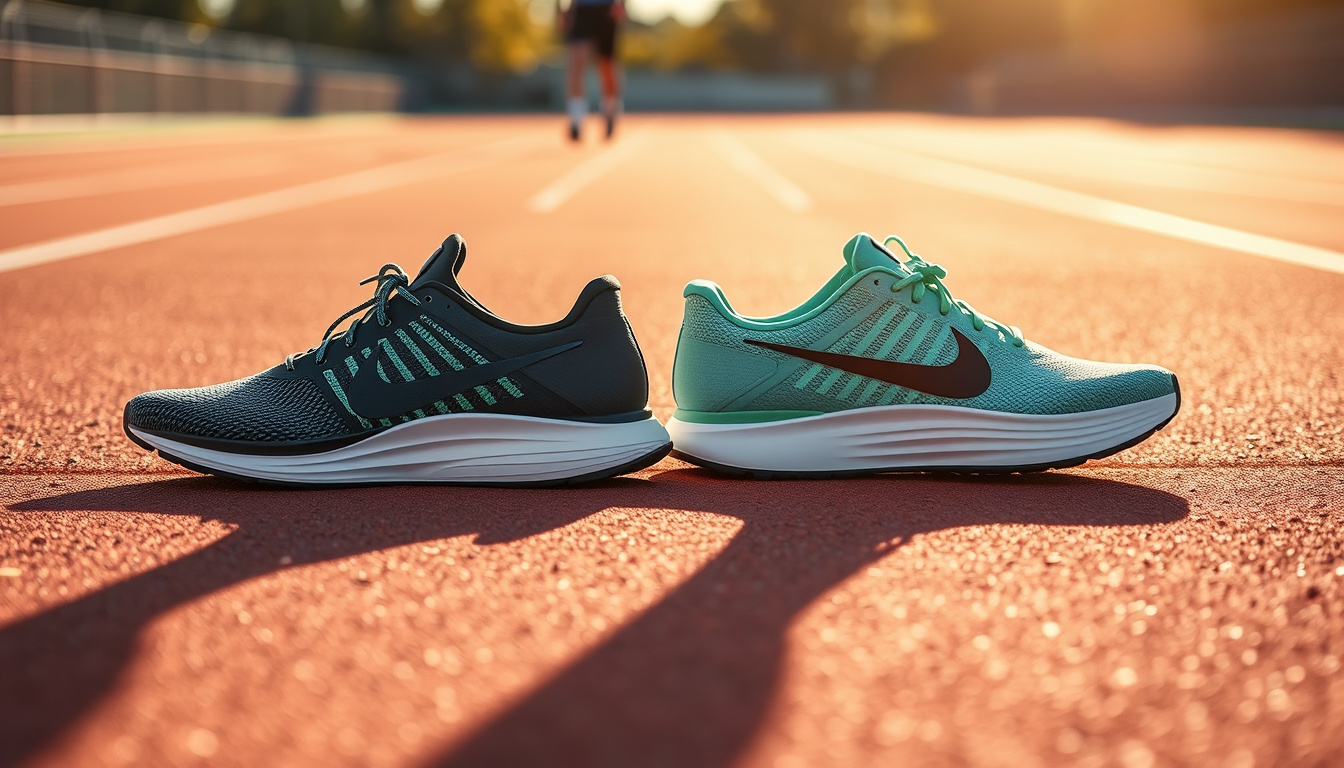

The Nike Vaporfly 4 represents a significant shift in the super shoe landscape, arriving in March 2025 with a lighter build, steeper carbon plate, and redesigned geometry aimed at delivering a more responsive racing experience. As the fourth iteration in the Vaporfly lineage, this model prioritizes nimbleness and ground feel over the deeper cushioning of its predecessor, appealing to runners targeting 5K through half-marathon distances.
Nike’s latest release enters a competitive market where carbon-plated shoes have become the standard for serious race day performance. The Vaporfly 4 carries a $260 price tag and promises meaningful changes to the upper, midsole, and plate configuration. Early reviews suggest the brand listened to feedback about the Vaporfly 3, addressing concerns around sponginess and fit while maintaining the signature ZoomX foam that has defined the line since its inception.
This article provides a complete breakdown of the Vaporfly 4 specifications, how it compares to the Vaporfly 3, where to purchase the shoe, and what runners can realistically expect from its performance. All specifications and claims are drawn from verified sources including lab tests, first-run reviews, and manufacturer data.
Nike Vaporfly 4 Release Date and Availability
The Nike Vaporfly 4 officially launched in March 2025, becoming available through Nike’s direct channels and authorized running specialty retailers. As a high-demand racing shoe, initial stock moved quickly at major retailers, with some colorways experiencing brief shortages shortly after release.
According to available retail information, the shoe runs true to size and fits similarly to previous Vaporfly iterations. Runners interested in purchasing are advised to check availability at multiple outlets, including Nike’s official website and local running specialty stores that carry performance racing footwear.
- Launch timing: March 2025
- Retail channels: Nike.com, authorized dealers, running specialty stores
- Sizing: True to size fit confirmed by multiple reviews
- Availability: Popular colorways may have limited initial stock
The Vaporfly 4 is available at Nike retailers and running specialty stores. Checking multiple sources helps identify available sizes and color options, particularly for popular releases that sell out quickly.
Nike Vaporfly 4 Specs and Key Features
The Vaporfly 4 arrives with a notably lighter construction compared to the Vaporfly 3, representing the lightest iteration in the series to date. Nike achieved this reduction through strategic trimming of the midsole, adjustments to the upper materials, and modifications to the carbon Flyplate geometry.
Weight and Stack Height
In men’s sizes 8.5 to 9.5, the Vaporfly 4 weighs between 5.2 and 6.7 ounces (148–190g). This represents a 13 to 30 percent weight reduction compared to the Vaporfly 3, which weighed 6 to 6.9 ounces (166–195g) in equivalent sizes. Lab tests confirm the 13 percent reduction stems from midsole trimming, plate refinements, and upper material changes.
Stack heights have been reduced to 35mm at the heel and 29mm at the forefoot, down from the Vaporfly 3’s 40mm heel and 32mm forefoot configuration. This lower profile delivers improved ground feel while sacrificing some of the plush cushioning that characterized the previous model.
Drop and Plate Configuration
The drop measures 6mm, reduced from the 8mm drop found on the Vaporfly 3. This geometry shift promotes a more natural foot position during toe-off phases and contributes to the shoe’s snappier feel. The carbon Flyplate has been made steeper by 3 degrees, enhancing propulsion and facilitating more powerful toe-offs during high-speed running.
- Weight: 5.2–6.7 oz (148–190g) in men’s US 8.5–9.5
- Stack Height: 35mm heel / 29mm forefoot
- Drop: 6mm
- Plate: Carbon Flyplate, steeper by 3 degrees
- Midsole: Full PEBA-based ZoomX foam
- Upper: Engineered mesh with sawtooth laces
- Support: Neutral
- Cushioning: Medium-to-maximum
Upper and Fit
The engineered mesh upper features sawtooth laces designed to enhance lockdown and reduce foot movement within the shoe during racing efforts. A perforated removable insole adds comfort while maintaining breathability. The overall fit is described as snugger than the Vaporfly 3, particularly suited for narrow to medium-width feet with lower volume.
Runners with wider feet or higher volume may want to try the Vaporfly 4 before purchasing, as the updated upper delivers a more locked-down feel compared to the Vaporfly 3. The redesigned geometry also contributes to improved stability during lateral movements.
| Feature | Vaporfly 3 | Vaporfly 4 |
|---|---|---|
| Weight | 6–6.9 oz (166–195g) | 5.2–6.7 oz (148–190g) |
| Stack (heel/forefoot) | 40mm / 32mm | 35mm / 29mm |
| Drop | 8mm | 6mm |
| Price | $250 | $260 |
| Best For | Marathons, long races | 5K–half marathon |
Nike Vaporfly 4 vs Vaporfly 3: Key Differences
The Vaporfly 4 represents a deliberate departure from the Vaporfly 3 in both philosophy and execution. Where the Vaporfly 3 prioritized deep cushioning and a plush ride suitable for full marathon efforts, the Vaporfly 4 emphasizes speed, responsiveness, and ground connection.
Performance Philosophy
The lower stack height and reduced drop create a shoe that feels more connected to the running surface. This translates to better feedback during faster paces, particularly beneficial for runners who prefer to feel their foot strike rather than floating above the ground. Multiple first-run reviews describe the Vaporfly 4 as a return to the “original” lean, responsive Vaporfly formula that initially disrupted the running shoe industry.
The steeper carbon plate angle drives more aggressive propulsion during toe-off, delivering snappier transitions that reviewers have praised. The Vaporfly 3’s spongier ride and noted tongue issues have been addressed through the redesign, with the Vaporfly 4 offering what sources describe as a natural rocker motion and smooth heel-to-toe transitions.
Cushioning Trade-offs
Some conflicting reports exist regarding cushioning feel. Lab tests and some reviews describe the midsole as softer despite the lower stack, while others note reduced cushioning compared to the Vaporfly 3. This discrepancy likely reflects individual preferences and running styles, with the consensus pointing toward a trade-off where maximum long-distance comfort has been sacrificed for performance-oriented responsiveness.
The reduced cushioning means the Vaporfly 4 performs best over distances up to the half-marathon. Runners planning full marathons, heavier athletes, or those preferring maximum cushioning may want to consider the Alphafly 3, which offers additional foam and propulsion for longer efforts.
The Vaporfly 4’s lower stack and reduced cushioning may limit performance for full marathon efforts or heavier runners. For races exceeding 21 kilometers, alternatives like the Alphafly 3 may provide more appropriate protection and energy return.
Upper Improvements
The redesigned upper addresses previous fit concerns while delivering improved lockdown. The sawtooth lacing system reduces slippage, and the engineered mesh provides secure containment without excessive pressure. Runners who experienced fit issues with the Vaporfly 3 may find the Vaporfly 4 more accommodating, provided their foot shape aligns with the narrower, lower-volume design.
Nike Vaporfly 4 Price and Performance Expectations
At $260, the Vaporfly 4 carries a $10 premium over the Vaporfly 3’s launch price of $250. This increase reflects the substantial design changes rather than incremental improvements, positioning the shoe as a meaningful upgrade for serious competitors while remaining accessible to recreational racers willing to invest in performance footwear.
Race Day Performance
Lab tests confirm the Vaporfly 4 delivers high energy return through its combination of full ZoomX foam and steeper carbon Flyplate. First-run reviews highlight excellent traction, smooth transitions, and efficient toe-off mechanics during speedwork and race-pace efforts. The shoe performs exceptionally over 5K, 10K, and half-marathon distances where its snappy feel and lighter weight provide measurable advantages.
Reviewers note that while the Vaporfly 4 represents a refined update rather than a revolutionary breakthrough, it successfully addresses key criticisms of the Vaporfly 3. The improvements in responsiveness and fit make it a legitimate race-day option for runners targeting distances up to the half-marathon.
Who Should Consider the Vaporfly 4
- Runners racing 5K through half-marathon distances
- Athletes seeking a lightweight, responsive racing shoe
- Runners who preferred earlier Vaporfly models over the Vaporfly 3
- Competitors with narrow to medium-width feet and lower volume
- Runners prioritizing ground feel over maximum cushioning
The Vaporfly 4 is not recommended for beginners, casual joggers, or runners planning full marathon efforts where the reduced cushioning may prove insufficient. For those use cases, the Alphafly 3 or more cushioned training options would serve better.
While optimized for racing and speedwork, the Vaporfly 4 can serve as a versatile training shoe for experienced runners incorporating faster sessions. However, its premium price point and purpose-driven design make it most practical as a dedicated race-day shoe.
Evolution of the Nike Vaporfly Series
The Vaporfly line traces its roots to 2017, when Nike introduced the original Vaporfly 4% and fundamentally changed competitive distance running. The shoe’s combination of lightweight construction, responsive foam, and carbon plate demonstrated that footwear technology could meaningfully impact race performance.
- 2017: Vaporfly 4% launches, establishing the super shoe category
- 2019: Next% released with updated foam and plate technology
- 2021: Vaporfly 2 brings refined upper and geometry improvements
- 2023: Vaporfly 3 introduces deeper cushioning and 8mm drop
- 2025: Vaporfly 4 arrives with lower stack, steeper plate, and lighter weight
The progression from the original Vaporfly 4% to the current Vaporfly 4 reflects Nike’s ongoing refinement of the super shoe concept. Each iteration has balanced weight, cushioning, and responsiveness differently, responding to both competitive feedback and the evolving demands of elite and recreational runners.
What’s Confirmed and What Remains Unclear
Several aspects of the Vaporfly 4 have been verified through official sources, lab tests, and first-run reviews. However, some questions remain unanswered as the shoe continues to accumulate miles and race appearances.
| Established Information | Unresolved Questions |
|---|---|
| Release date: March 2025 | Long-term durability reports |
| Price: $260 | Real-world race results at elite levels |
| Weight: 5.2–6.7 oz (148–190g) | Performance across varied terrain |
| Stack: 35mm heel / 29mm forefoot | Comparative data versus Alphafly 3 |
| Drop: 6mm | Availability timeline for additional colorways |
| Core specifications from Nike | Updates on future Vaporfly releases |
Long-term durability assessments will require months of accumulated use from both recreational and elite athletes. Race results from high-profile competitions featuring the Vaporfly 4 will provide additional performance validation, though the shoe’s specifications suggest measurable benefits for qualified competitors.
The Story Behind the Design
Nike developed the Vaporfly 4 in response to athlete feedback about the Vaporfly 3, which some competitors found too soft for optimal race-day performance. The shift toward a leaner, more responsive platform reflects the preferences of runners who valued the original Vaporfly formula over the plusher cushioning of subsequent iterations.
The carbon Flyplate modification adds 3 degrees of steepness, directly addressing requests for more aggressive propulsion during toe-off phases. This change brings the plate geometry closer to what elite athletes experience in custom racing flats while maintaining the cushioning benefits of the ZoomX foam stack.
The redesigned upper with sawtooth lacing represents Nike’s response to fit and lockdown concerns raised about the Vaporfly 3’s tongue construction. These incremental improvements collectively reshape the shoe’s character without abandoning the core technology that defines the Vaporfly line.
Expert Insights and Sources
Multiple independent sources have provided early assessments of the Vaporfly 4, with reviewers from running publications highlighting the return to a more traditional Vaporfly feel as a positive development.
The Vaporfly 4 fixes the Vaporfly 3’s spongier ride and tongue issues with a natural rocker, excellent energy return, and smooth transitions.
It’s a return to the original lean, responsive Vaporfly formula—ideal for racing and speedwork.
Lab tests from independent running shoe reviewers confirm the 13 percent weight reduction through detailed component analysis. Performance comparisons with the Alphafly 3 highlight the Vaporfly 4’s suitability for shorter distances where its lighter weight and snappier feel provide advantages over the Alphafly’s additional stack and foam.
The World Athletics regulations establish parameters for stack heights in elite competition, and the Vaporfly 4’s 35mm heel stack falls within compliant limits for races governed by those standards.
Final Thoughts
The Nike Vaporfly 4 delivers meaningful improvements over its predecessor for runners targeting distances up to the half-marathon. Its lighter weight, steeper plate, and improved upper address key criticisms of the Vaporfly 3 while maintaining the signature ZoomX cushioning that has made the line successful.
At $260, the Vaporfly 4 represents a solid investment for competitive runners seeking a responsive, race-ready platform. Those with broader feet, higher volume requirements, or plans for full marathons may want to explore alternatives or wait for additional long-term performance data before committing to this particular model.
The Vaporfly 4’s refinements demonstrate Nike’s continued commitment to iterative improvement in the super shoe category, providing a compelling option for athletes who prioritize ground feel and snappy transitions over maximum cushioning. For related gear recommendations, see our guides to men’s suits and doorway chin-up bars for other performance-focused purchasing decisions.
Frequently Asked Questions
What is the weight of the Nike Vaporfly 4?
The Vaporfly 4 weighs between 5.2 and 6.7 ounces (148–190g) in men’s sizes 8.5–9.5, making it the lightest Vaporfly model yet—13–30% lighter than the Vaporfly 3.
What is the stack height of the Nike Vaporfly 4?
The Vaporfly 4 features a 35mm heel stack and 29mm forefoot stack, reduced from the Vaporfly 3’s 40mm heel and 32mm forefoot configuration.
What is the drop of the Nike Vaporfly 4?
The drop measures 6mm, reduced from the 8mm drop found on the Vaporfly 3. This lower drop promotes a more natural foot position during toe-off.
How much does the Nike Vaporfly 4 cost?
The Vaporfly 4 is priced at $260, representing a $10 increase over the Vaporfly 3’s launch price of $250.
Is the Nike Vaporfly 4 good for marathons?
The Vaporfly 4 is better suited for 5K through half-marathon distances. The reduced cushioning may limit comfort during full marathon efforts, where the Alphafly 3 or Vaporfly 3 may serve better.
How does the Vaporfly 4 fit compared to the Vaporfly 3?
The Vaporfly 4 fits more snugly than the Vaporfly 3, particularly for narrow to medium-width feet with lower volume. The redesigned upper with sawtooth laces improves lockdown compared to the previous model.
Where can I buy the Nike Vaporfly 4?
The Vaporfly 4 is available at Nike retailers, running specialty stores, and through Nike.com. Stock varies by colorway, and some options may sell out quickly after release.
Related stories




Liam O'Brien covers Australian politics and public affairs for Aussie Pulse.