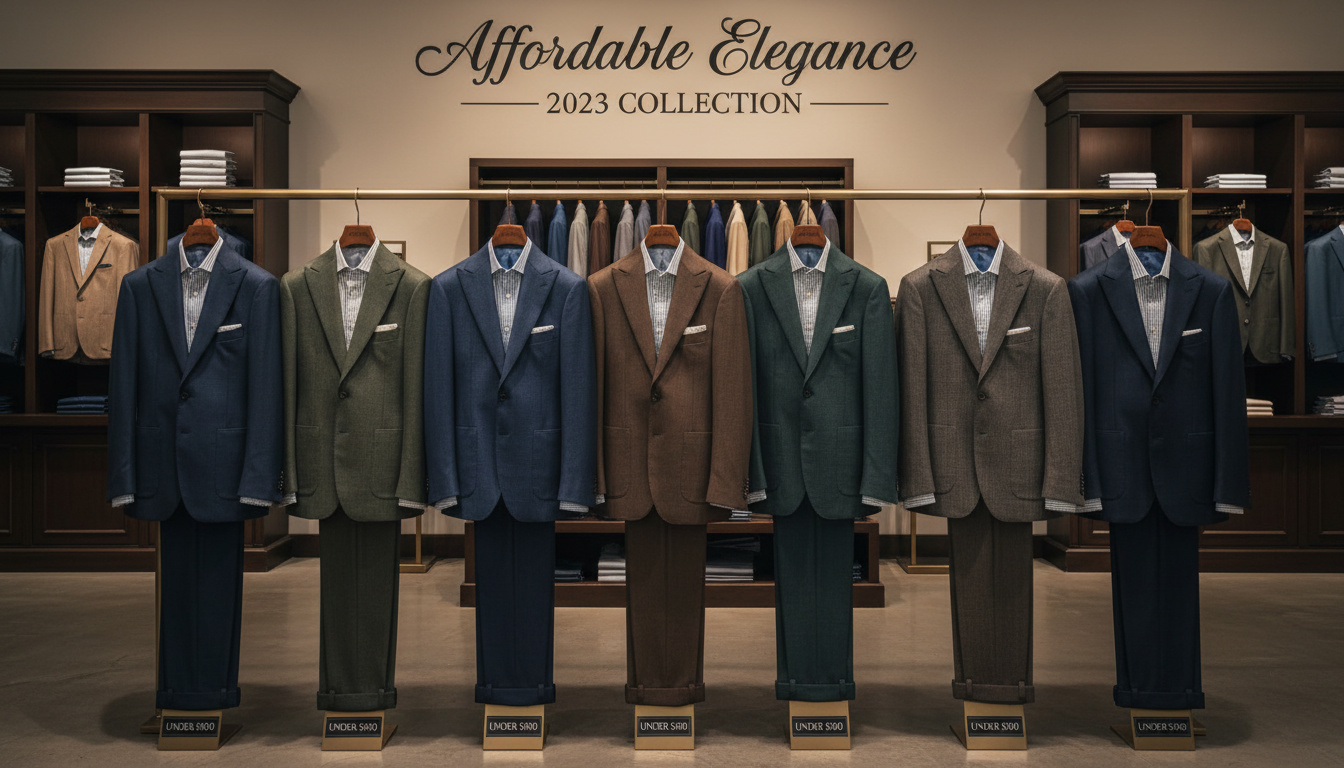
2025 marks a definitive shift in men’s suiting. The era of restrictive, ultra-slim silhouettes has given way to relaxed, personality-driven tailoring that prioritizes movement and versatility. Contemporary suits now bridge the gap between formal requirements and everyday comfort, utilizing bold colors and textured fabrics previously reserved for casual wear.
This evolution reflects broader changes in workplace culture and social norms. Men increasingly seek single investments that serve multiple contexts—from boardroom presentations to wedding receptions—without sacrificing individual style. Understanding these new parameters separates a worthwhile purchase from an expensive mistake.
The modern marketplace offers unprecedented access to quality construction, with reputable brands delivering wool suits under $500 that rival premium offerings from previous decades. Success depends on matching specific body types to appropriate fits, selecting versatile colors, and understanding the technical distinctions between casual, business, and formal specifications.
What Are the Best Suits for Men in 2025?
Top Brands
SuitSupply, Indochino, and Bonobos lead the accessible luxury segment, offering customizable options under $500 with wool blends and modern fits suitable for diverse occasions from business to weddings.
Key Styles
Slim fit maintains dominance for athletic builds, while modern and relaxed cuts gain traction among broader frames and those prioritizing comfort and movement.
Price Ranges
Quality construction starts under $500 for entry-level custom or premium off-the-rack, with premium bespoke offerings exceeding $800 depending on fabric weight and origin.
Best For
Multi-occasion versatility spanning business presentations, wedding ceremonies, job interviews, and formal evening events without requiring multiple specialized garments.
Key Insights for 2025
- Wool dominates construction: Super 100s-120s counts offer optimal softness and durability for daily wear.
- Midweight versatility: Fabrics between 260-320gsm provide year-round performance in most climates.
- Sustainable surge: Eco-friendly wool, linen, and tweed with stretch represent the fastest-growing category.
- Fit over brand: Proper shoulder alignment determines appearance more than label prestige.
- Color consistency: Navy and charcoal remain the most versatile choices for first-time buyers.
- Price accessibility: Quality construction no longer requires bespoke budgets, with excellent options available under $500.
Suit Specifications at a Glance
| Aspect | Details | Recommendation |
|---|---|---|
| Materials | Wool (Super 100s-120s), Cotton, Linen, Tweed | 100% wool for primary suits |
| Fits | Slim, Modern/Relaxed, Classic | Modern fit suits most body types |
| Weight Categories | Lightweight (190-250gsm), Midweight (260-320gsm), Heavyweight (330+gsm) | Midweight for all-season use |
| Price Range | $200-$500 (entry), $500-$800 (mid), $800+ (premium) | Under $500 offers best value |
| Average Lifespan | 5-10 years with proper maintenance | Dry clean sparingly, brush regularly |
| Leading Brands | SuitSupply, Indochino, Bonobos | Prioritize in-house tailoring services |
| Construction | Single-breasted, Double-breasted | Single-breasted for versatility |
| Color Palette | Navy, Charcoal, Black, Earth tones | Navy for maximum adaptability |
How to Choose the Right Suit for Your Body Type and Occasion
The Science of Measurement
Accurate measurements determine whether a suit flatters or fails. The jacket shoulder seam must align precisely with your natural shoulder edge—any overhang creates a sloppy silhouette, while insufficient width restricts movement. The jacket hem should cover the seat completely, and sleeves must reveal approximately one-half inch of shirt cuff when arms hang naturally. Video guides demonstrate these measurements for first-time buyers.
For trousers, waist measurement takes priority over vanity sizing. The waistband should sit comfortably at the natural waist without requiring a belt to hold position. Inseam length depends on desired break—the fold where trouser meets shoe. A slight break offers contemporary versatility, while no break creates a sharper, more fashion-forward line.
Body Type Specifics
Athletic and slim builds benefit most from slim fit constructions, which mirror the body’s natural lines without excess fabric. Broader frames and taller men require modern or relaxed fits with customized proportions. Specifically, taller buyers must verify jacket length to avoid the appearance of wearing borrowed clothing, while broader shoulders need adequate chest room to prevent button strain.
Occasion Matching
Business environments favor navy or charcoal gray in solid or subtle patterns. Interviews demand conservative styling—single-breasted jackets in dark colors project competence without distraction. Weddings allow greater flexibility; while black remains appropriate for evening ceremonies, navy and earth tones suit daytime celebrations and offer superior post-wedding utility.
Always verify shoulder fit first when trying suits. Tailors can adjust waist suppression and sleeve length affordably, but shoulder reconstruction typically costs more than the garment itself.
What Types of Suits Are Available for Men?
Fit Categories Defined
Slim fit suits feature narrower chest measurements, tapered waists, and slim-cut sleeves. Trousers follow the same principle with reduced thigh circumference and strong tapering toward the ankle. Modern or relaxed fits introduce roomier chest dimensions and straight or wide-leg trousers that accommodate larger frames and provide superior comfort during extended wear. Classic fits maintain straight silhouettes with minimal tapering, prioritizing timeless proportions over contemporary trends.
Jacket Construction
Single-breasted jackets with two or three buttons dominate contemporary markets due to their versatility and streamlined appearance. Double-breasted designs have resurged as bold statement pieces, offering structured elegance that works particularly well for formal occasions and taller physiques. The additional fabric and overlapping front panels create a commanding presence that single-breasted alternatives cannot replicate.
Trouser Variations
Tapered trousers pair optimally with slim-fit jackets, creating continuous vertical lines that elongate the figure. Wide-leg trousers complement relaxed blazers, offering retro-inspired drape that emphasizes comfort and movement. The choice between these silhouettes significantly impacts the overall aesthetic, with tapered legs reading as contemporary and wide legs suggesting either vintage inspiration or avant-garde styling.
The Tuxedo Distinction
Tuxedos specifically feature satin or grosgrain lapels, stripes along trouser seams, and specialized button coverings. These garments serve exclusively black-tie events. Standard suits lack these decorative elements and offer greater versatility across social and professional contexts. For events requiring formal attire without strict black-tie specification, dark navy or black suits provide appropriate alternatives without the limitations of dedicated dinner jackets.
What Color Suit Should a Man Wear?
Foundational Colors
Black delivers uncompromising formality suitable for evening events, funerals, and conservative business environments. However, its severity limits versatility for daytime wear. Navy blue provides superior adaptability, pairing effectively with brown or black footwear and accommodating both pastel and bold shirt colors. Charcoal gray offers similar versatility with distinctly professional connotations, particularly appropriate for corporate settings and interviews.
Emerging Palettes
2025 trends emphasize earth tones—tan, beige, and olive—that transition seamlessly between seasons. Monochrome and tonal dressing, such as pairing light gray trousers with charcoal jackets or cream shirts with beige suits, creates sophisticated visual interest without relying on patterns. Bold patterns including windowpane checks and pinstripes have evolved from business-exclusive to fashion-forward statements when executed in unexpected color combinations.
Navy wool suits offer the highest return on investment for initial purchases. The color functions appropriately for weddings, interviews, and business functions while accommodating most skin tones and accessory combinations.
Never substitute a standard black suit for a tuxedo at events specifying “black tie” or “white tie” dress codes. The absence of satin lapels and specialized construction renders standard suits inappropriate for these formal specifications.
How Have Men’s Suit Styles Evolved?
- 1920s-1930s: Broad shoulders, suppressed waists, and wide trousers defined the classic silhouette that would influence tailoring for decades.
- 1960s: Slimmer cuts emerged, reducing lapel widths and trouser fullness in response to cultural shifts toward youth and rebellion.
- 1980s-1990s: Power suits dominated with exaggerated shoulder padding, double-breasted configurations, and aggressive patterns signaling corporate authority.
- 2010s: Ultra-slim fits reached peak popularity, with narrow lapels and skinny trousers reflecting minimalist aesthetics.
- 2024: Relaxed cuts and wide-leg trousers began replacing skinny silhouettes, emphasizing comfort and movement.
- 2025: Hybrid casual-formal styling prevails, incorporating sustainable fabrics, textured weaves, and versatile colors suitable for diverse occasions.
What Is Established About Suit Quality?
| Established Information | Remaining Uncertainties |
|---|---|
| Wool Super 100s-120s offers optimal balance of softness and durability for daily wear | Long-term performance of synthetic stretch blends compared to pure wool remains under evaluation |
| Shoulder seams must align with natural shoulder edges; overhang cannot be adequately altered | Universal standardization of “slim” versus “modern” fit varies significantly between brands |
| Midweight wool (260-320gsm) provides year-round versatility in most climates | Sustainability certifications for “eco-friendly” wool lack consistent industry regulation |
| Quality suits under $500 exist from brands like SuitSupply, Indochino, and Bonobos | Exact price thresholds distinguishing “good” from “premium” construction depend heavily on regional markets |
Why Does Proper Suiting Matter?
The suit remains the most significant uniform of Western professional culture. Beyond mere aesthetics, correct tailoring signals attention to detail, respect for occasion, and understanding of social hierarchies. While dress codes have relaxed across many industries, the suit functions as essential armor for pivotal life moments—from job interviews that determine career trajectories to weddings marking personal milestones. States of America – 50 States, Capitals and Federal Facts
Investment in proper suiting reflects economic pragmatism. A single versatile navy suit, properly maintained, can serve for a decade across dozens of events. This longevity distinguishes suits from trend-driven fast fashion, establishing them as genuine wardrobe investments rather than disposable seasonal purchases.
Expert Sources and Industry Perspectives
“Suits in 2025 emphasize relaxed, effortless fits with bold colors, textured fabrics, and versatile styling, shifting from ultra-slim silhouettes to comfortable, personality-driven looks.”
“Wool dominates for breathability and drape; seek 100% wool or blends with stretch (Super 100s-120s for softness/durability).”
“Eco-friendly wool, linen, tweed with stretch represent rising demand for versatile, movement-focused materials.”
Final Recommendations for Suit Selection
Selecting the ideal suit requires balancing construction quality, fit precision, and color versatility. For most men, a midweight navy wool suit in modern fit from reputable brands like SuitSupply, Indochino, or Bonobos provides the optimal entry point under $500. Prioritize shoulder alignment and appropriate length over brand prestige, remembering that proper fit transcends price point. Springbrook National Park – Walks, Waterfalls and Glow Worms With appropriate selection and care, this single investment will serve across weddings, interviews, and formal occasions for years to come.
Frequently Asked Questions
How much does a good suit cost?
Quality suits begin around $300-$500 from brands like SuitSupply, Indochino, and Bonobos, offering wool construction and decent fit. Premium suits range $500-$800, while bespoke options exceed $1000. The $300-$500 range delivers optimal value for most buyers.
How do I measure for a suit?
Measure chest circumference at the fullest point for jacket size. Shoulder width should align with natural shoulder edges. For trousers, measure natural waist and inseam to desired break point. Most retailers provide detailed measurement guides, or you can visit a tailor for professional assessment.
What suit style works for different body types?
Athletic and slim builds suit slim-fit designs that follow natural lines. Broader or taller men benefit from modern or relaxed fits with roomier chests and appropriate jacket lengths to prevent overhang. Always prioritize shoulder fit first, as this cannot be easily altered.
Can I wear a regular suit to a black-tie event?
Only if the invitation specifies “black tie optional” or “cocktail attire.” True black-tie events require tuxedos with satin lapels. For strict black-tie affairs, dark navy or black suits serve as insufficient substitutes despite similar color profiles.
What is the difference between single and double-breasted suits?
Single-breasted jackets feature one column of buttons and minimal overlap, offering versatility and streamlined aesthetics. Double-breasted jackets have two columns of buttons with substantial front overlap, creating a formal, commanding silhouette that suits taller frames and formal occasions.
How should I care for my wool suit?
Brush wool suits with a natural-bristle brush after each wearing to remove dirt and lint. Dry clean sparingly—only when visibly soiled or seasonally—to preserve fabric integrity. Hang on cedar or shaped hangers in breathable garment bags, allowing the suit to rest 24 hours between wearings.
Are custom suits worth the investment over off-the-rack?
For men with non-standard proportions—particularly those who are very tall, short, or have significant athletic builds—custom or made-to-measure suits justify the additional cost by eliminating common fit issues. Standard sizes work adequately for approximately 80% of men with minor alterations.
Related stories


Liam O'Brien covers Australian politics and public affairs for Aussie Pulse.